
Family Tables That Welcome Every Appetite
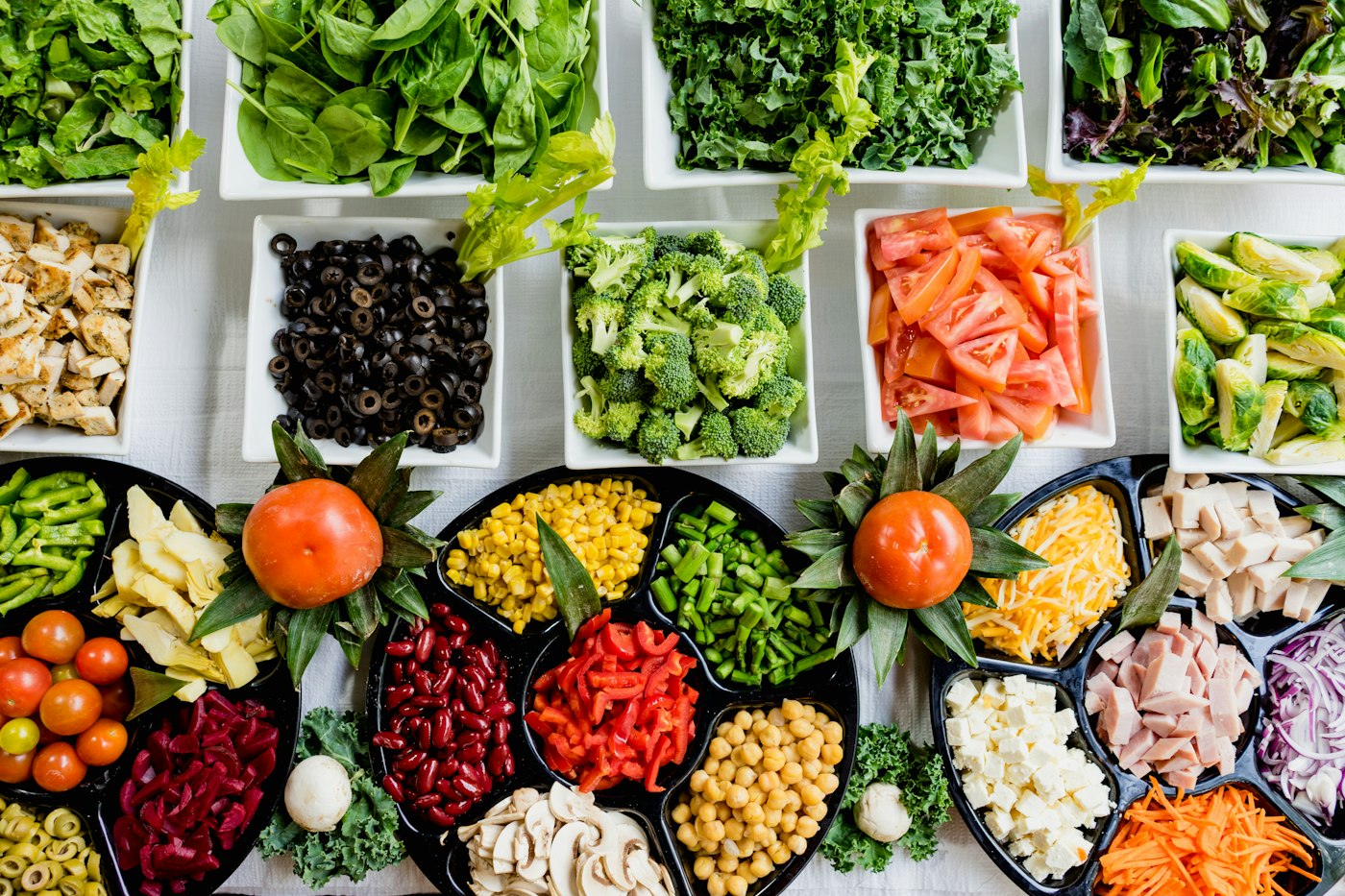
A household falls apart when one person eats a special plate and everyone else eats “normal food.” Children notice. Partners resent it. The special plate rarely lasts. Priya’s method at EatingLots is a shared base: a grain or potato, a pot of beans or a simply cooked protein, and two vegetables. People build bowls from the same pots.
Different appetites can still be respected. Someone training hard takes a larger starch. Someone with a smaller appetite takes more vegetables and still includes protein. Sauces stay on the side when heat or fat bothers a stomach. Nobody is served a sad dry version of the family meal.
Talk about food as taste, energy, and strength. Avoid labeling bites as good or bad in front of children. Forbidden language makes ordinary foods louder. Offer the meal, let people serve themselves when they are able, and keep dessert on a predictable rhythm so it is not a prize for cleaning the plate.
Lunch boxes improve when dinner leaves leftovers on purpose. Cook a little extra grain, wash fruit when you get home, and put a protein where you can see it. Morning decisions get kinder when the food is already started.
If someone in the home has a medical diet from their physician, build the shared meal around that need instead of isolating them. Most clinical patterns can live inside a family menu with a few swaps. Ask before you invent a separate kitchen.
The healthiest table is the one people want to sit at again.
If you want this pattern fitted to your week, request a visit and tell us which meal falls apart first. We would rather repair that meal than hand you a generic plan. Educational notes on this page are not personal medical advice, and they are not a reason to stop care a physician has already prescribed.

About the author
Priya Raman writes for the EatingLots journal and works with clients on meals that can survive an ordinary calendar.
Read comments

The reminder that starch belongs on the plate changed my training week more than a new supplement ever did.
March 2026
I tried the plate idea at lunch and stopped buying a second snack out of panic. Simple, and it stuck.